
Sedation Dentistry for Kids: What San Antonio Parents Need to Know
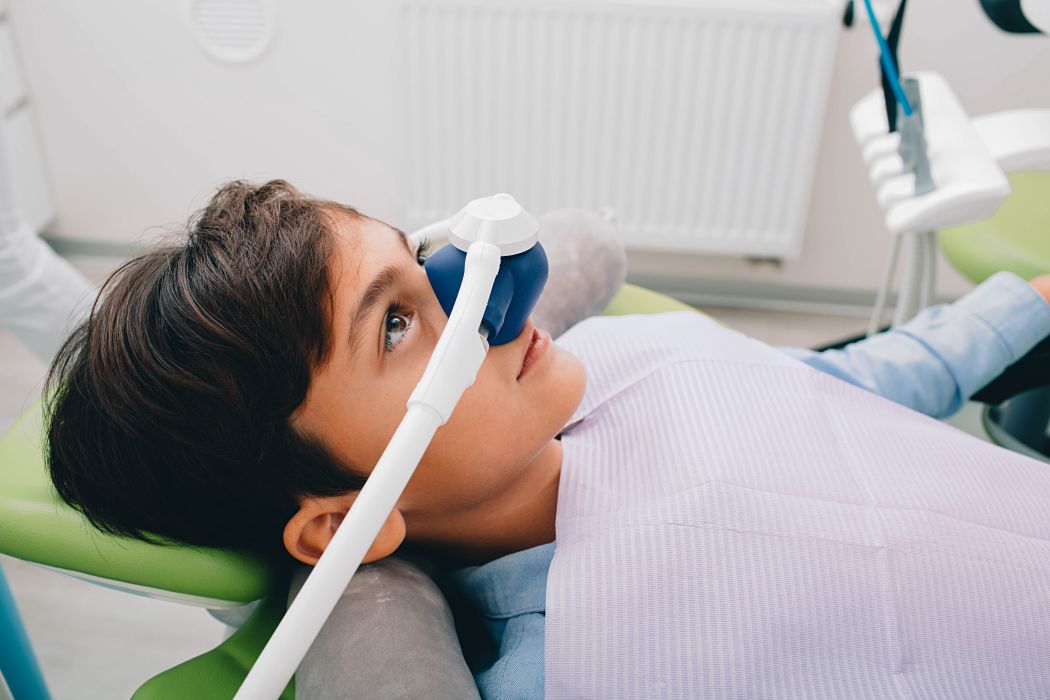


For many children, a trip to the dentist can trigger anxiety, fear, or even outright panic. Whether it's the unfamiliar sounds, the bright lights, or simply the unknown, dental anxiety in children is incredibly common. The good news? Sedation dentistry offers a safe and effective way to help kids feel calm, comfortable, and cooperative during their dental visits. Understanding your options can help you make the best decision for your child's oral health and overall wellbeing.
Why Some Children Need Sedation at the Dentist
Dental anxiety doesn't discriminate. Some children sail through appointments without a second thought, while others struggle with even routine cleanings. Several factors can contribute to a child's need for sedation during dental treatment.
Young children, particularly toddlers and preschoolers, may lack the developmental ability to sit still for extended periods or follow complex instructions. Children with special needs or sensory sensitivities often experience heightened anxiety in clinical settings. Previous negative dental experiences can create lasting fear that makes future visits challenging.
Some dental procedures simply require more time and precision than a wiggly, anxious child can accommodate. In these situations, sedation allows your child's pediatric dentist to provide thorough, high-quality care while ensuring your little one remains comfortable throughout the process.
Types of Pediatric Dental Sedation
Pediatric dentists offer several sedation options, each designed to meet different needs and comfort levels. Understanding these options helps you have informed conversations with your child's dental team.
Nitrous Oxide (Laughing Gas): This mild sedative is inhaled through a small mask placed over your child's nose. Nitrous oxide creates a relaxed, happy feeling while your child remains fully conscious and able to respond to instructions. One of its biggest advantages is how quickly it wears off. Within minutes of removing the mask, your child returns to normal and can typically resume regular activities, including returning to school.
Oral Conscious Sedation: For children who need a deeper level of relaxation, oral sedation involves taking medication before the appointment. Your child will feel drowsy and relaxed but remains conscious throughout the procedure. This option works well for longer treatments or children with moderate to severe anxiety. Recovery takes longer than nitrous oxide, so plan for your child to rest at home for the remainder of the day.
General Anesthesia: Reserved for extensive procedures or children who cannot tolerate treatment with lighter sedation methods, general anesthesia renders your child completely unconscious. This option requires specialized monitoring and is typically performed with an anesthesiologist present to ensure safety. Children with significant special needs or those requiring complex treatments often benefit from this approach.
Is Sedation Dentistry Safe for Children?
Safety is understandably the top concern for any parent considering sedation for their child. When administered by trained pediatric dental professionals, sedation dentistry maintains an excellent safety record.
The American Academy of Pediatric Dentistry and the American Academy of Pediatrics have established comprehensive guidelines for sedation in pediatric dental settings. These guidelines ensure proper patient evaluation, appropriate monitoring equipment, trained personnel, and emergency protocols are in place for every sedation procedure.
Before any sedation, your child's pediatric dentist will review their complete medical history, current medications, and any previous reactions to anesthesia. This thorough evaluation helps identify the safest and most effective sedation approach for your child's unique needs.
Preparing Your Child for a Sedation Appointment
Proper preparation makes sedation appointments smoother for everyone involved. Your pediatric dental team will provide specific instructions, but several general guidelines apply to most situations.
Fasting requirements vary based on the type of sedation. For oral sedation and general anesthesia, your child will typically need to avoid food and drinks for several hours before the appointment. Nitrous oxide usually doesn't require fasting, though a light meal is recommended.
Dress your child in comfortable, loose-fitting clothing. Avoid clothing with tight necklines or complicated fasteners. For your child's safety during deeper sedation, remove any jewelry, hair accessories, or loose items.
Keep the conversation positive and age-appropriate. Avoid words that might increase anxiety, such as "shot," "hurt," or "pain." Instead, focus on how the special medicine will help them feel sleepy and relaxed while the dentist takes care of their teeth.
What to Expect During and After the Appointment
Understanding the process helps reduce anxiety for both parents and children. During sedation, your child will be continuously monitored by trained team members who track vital signs including heart rate, oxygen levels, and breathing patterns.
After procedures using nitrous oxide, your child can typically leave the office within minutes of completing treatment. Oral sedation and general anesthesia require a longer recovery period in the office while the medication wears off.
Once home, keep your child resting quietly and offer clear liquids initially before progressing to soft foods. Some grogginess, mild nausea, or emotional sensitivity is normal and typically resolves within several hours. Contact your pediatric dentist if symptoms persist or if you have any concerns.
When Sedation Might Be the Right Choice
Sedation dentistry isn't about taking the easy way out. It's about ensuring your child receives the dental care they need in a way that protects their emotional wellbeing and creates positive associations with oral healthcare.
Consider sedation if your child experiences severe anxiety that prevents them from receiving needed treatment. Children who require extensive dental work in a single visit often benefit from sedation, as it allows the dentist to complete multiple procedures while your child remains comfortable. For children with special healthcare needs, sedation can make dental care accessible when it might otherwise be impossible.
The goal is always to help your child develop a healthy relationship with dental care that lasts a lifetime. Sometimes that means using sedation as a tool to get through challenging procedures while building trust and positive experiences along the way.
Questions to Ask Your Pediatric Dentist
Open communication with your child's dental team ensures you feel confident about sedation decisions. Consider asking about the dentist's training and experience with pediatric sedation, what monitoring equipment will be used, and who will be present during the procedure.
Ask about the specific sedation recommendation for your child and why it's the best option. Inquire about potential side effects, recovery expectations, and what happens if your child doesn't respond well to the sedation. Understanding the emergency protocols in place provides additional peace of mind.
Schedule Your Child's Comfortable Dental Visit in San Antonio
At Safari Children's Dentistry & Braces, our experienced pediatric dental team understands that every child is unique. Dr. Victoria Ramirez completed extensive training in pediatric sedation dentistry during her residency at NYU Langone Health, and she leads our compassionate team that includes Dr. Gladys Carrasco, Dr. Taj Kooner, and Dr. Joanna Ayala, a Diplomate of the American Board of Pediatric Dentistry.
With over 30 years of serving San Antonio families, we offer a full range of sedation options, from gentle laughing gas to general anesthesia, ensuring every child can receive the dental care they need in a comfortable, stress-free environment. Our kid-friendly office features amenities designed to help children feel at ease, and our team takes pride in creating positive dental experiences that last a lifetime.
If your child struggles with dental anxiety or needs extensive treatment, contact our office at (210) 590-8858 to schedule a consultation and discover how sedation dentistry can help your child achieve a healthy, happy smile.